Why Paint Protection Film Singapore Drivers Trust for Daily Driving
I have spent enough years around car finishes to know that a new coat of paint does not stay new for long. In Singapore, the combination of tropical sun, sudden downpours, and tight parking lots puts every exterior under constant pressure. After a few months, even a well-maintained car starts to show fine scratches near the door handles and a faint dullness on the bonnet. That is when I started looking seriously at paint protection film Singapore drivers recommend for real-world use.
The idea is simple. A clear, durable layer goes over your original paint and takes the abuse instead. When the film gets chipped or stained, you peel it off and the factory finish underneath looks untouched. But the execution matters a lot, and the market here has more options than most people realise.
Why a Temporary Layer Beats a Permanent Coating
I once thought ceramic coating was the final answer. It bonds to the clear coat and creates a hard, glossy surface that repels water and dirt. For a while, it works beautifully. But ceramic coating is not removable without heavy polishing, and it does not stop physical impacts. A flying pebble on the highway can still chip your paint. Paint protection film Singapore workshops install is different. It is a thick, flexible urethane layer that absorbs the hit. If the film gets damaged, you replace just that panel. The original clear coat stays untouched.
This trade-off is worth thinking about. Ceramic coating gives you a glass-like feel and easier cleaning, but it does not add impact resistance. A good polyurethane topcoat on a quality film can handle minor abrasions that would otherwise go straight to your metal. For daily drivers on Singapore roads, where construction debris and tight carpark walls are facts of life, that extra layer of forgiveness makes a real difference.
How the Material Science Works
The films that last in our climate come from established manufacturers. Three names dominate: 3M, Avery Dennison, and Oracal. Each has its own approach to UV resistance and clarity. A film that turns yellow after a year is worse than no film at all. I have seen cheap rolls go amber on a friend's red hatchback inside six months. That is why most reputable shops in Singapore stick to premium vinyl from these suppliers.
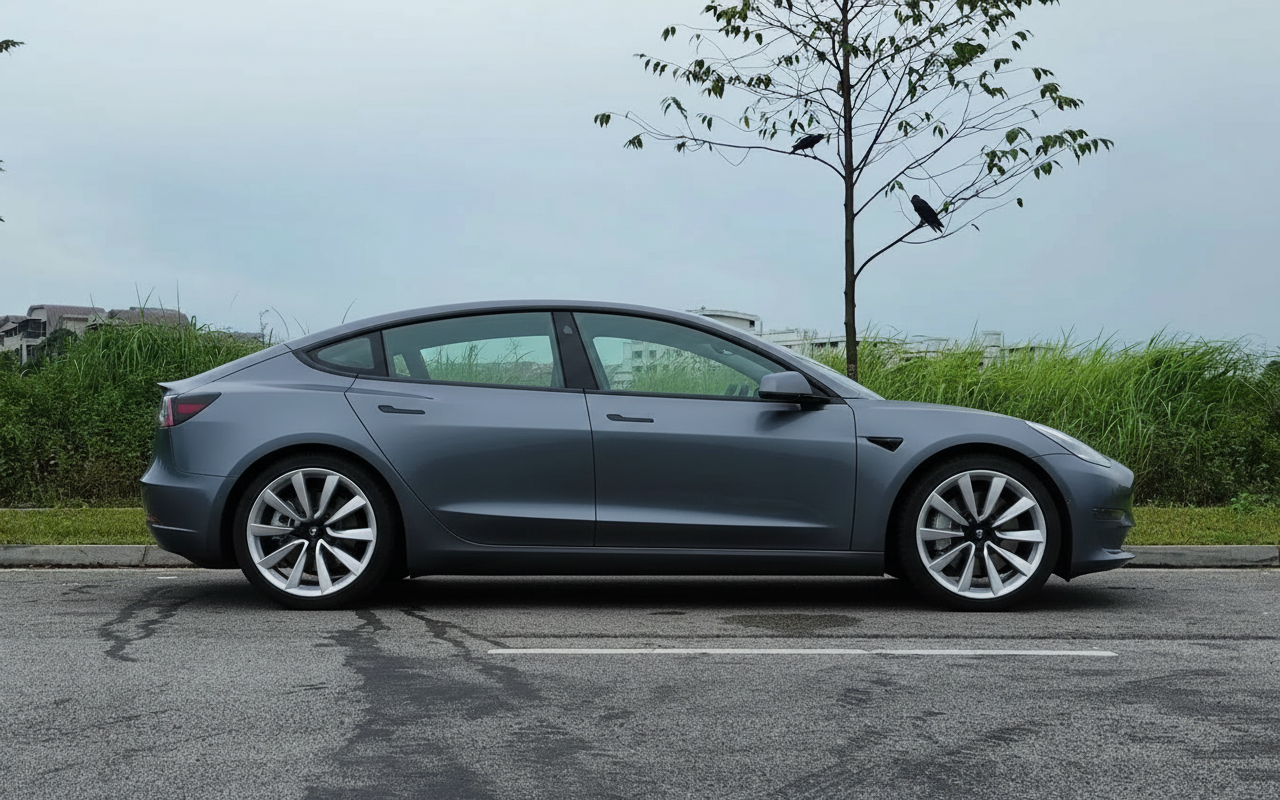
3M, for example, uses a multi-layer construction with a clear coat that resists UV degradation. Avery Dennison has a line specifically formulated for high-sunlight exposure. Oracal offers a good balance of conformability and cost. The difference becomes obvious when you look at a car that has been wrapped for two years. A film from a top-tier brand still looks clear and glossy, while a budget film starts to show its edges and loses its gloss finish.
The application process also matters. Professional installers use wet application, which lets them slide the film into position before squeegeeing out the water. This method reduces bubbles and makes it easier to wrap around curved surfaces. A heat gun is essential for shrinking the film around complex areas like door handles and bumper contours. Without proper heating, the film will lift at the edges within weeks.
Precision Cutting Saves Time and Headaches
One of the best improvements in recent years is laser cutting. Instead of a technician cutting film by hand on your car, the material is pre-cut by a machine to match your exact vehicle model. This eliminates the risk of a blade slipping and scratching your paint. It also means the edges are perfectly straight and fit into tight gaps around logos and sensors.
If you have ever watched a DIY installation gone wrong, you know how easy it is to trap dust under the film or misalign a panel. For a complete car wrap, leaving it to a shop that uses laser-cut templates is usually the smarter choice. The cost is higher, but the result looks seamless. And if you ever decide to remove the film, a professional removal leaves no residue and no damage to the original paint.
Gloss or Matte: A Personal Decision
Most films are available in two finishes: gloss and matte. A gloss finish makes the car look wet and deep, which is ideal for dark colours that you want to pop. A matte finish reduces glare and gives a more understated, almost velvety look. I prefer matte on light-coloured cars because it hides minor imperfections better. But the choice is entirely yours. The important thing is that the film itself is clear and colourless, so the underlying paint tone shows through accurately.
Some drivers worry that a film will alter the colour of their car. A high-quality clear film does not. It adds a very slight depth, like a thin layer of glass, but the hue stays true. This is where the reputation of the brand matters again. A film from a known manufacturer has undergone testing to ensure optical clarity. The cheaper alternatives often have a slight haze or tint that becomes more obvious with time.
Does It Affect Resale Value?
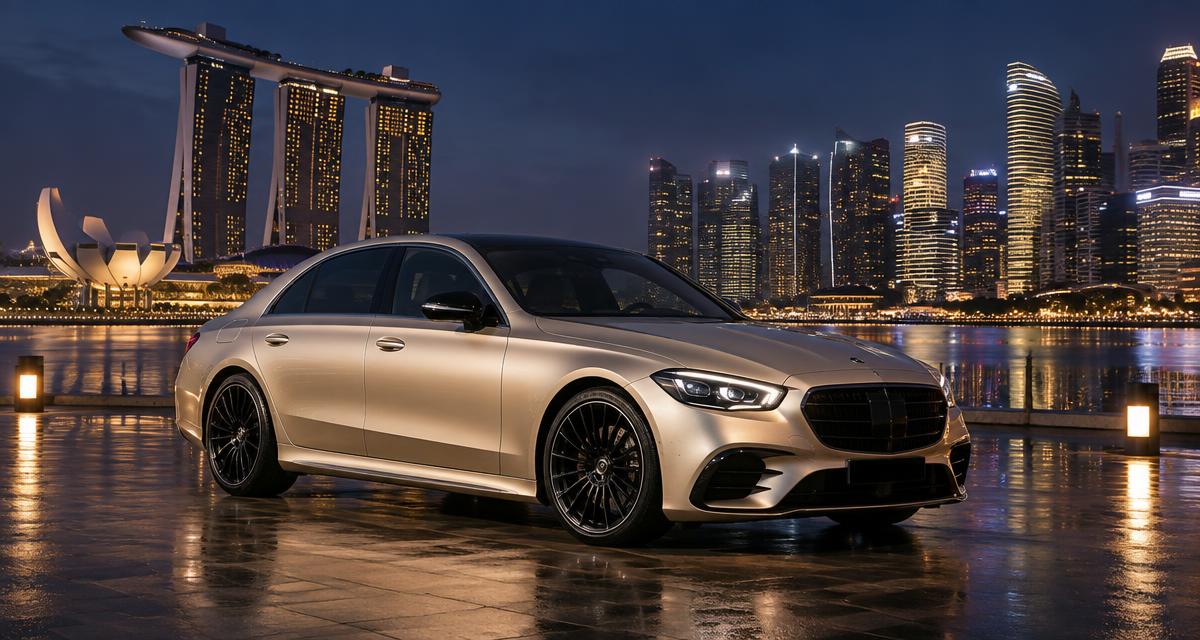
This is the question I hear most often. The short answer is yes, but only if the film is well maintained and properly removed. A car that has been protected from day one can have near-perfect paint underneath. Buyers appreciate that. On the other hand, a film that has started to crack or peel is a red flag. If you plan to sell the car in a few years, keep the film clean and have it removed by a professional before listing it. The result is a fresh-looking exterior that adds to the vehicle resale value.
I have seen cars with five-year-old films come off looking like they just left the showroom. The key is avoiding prolonged sun exposure without cleaning. Singapore roads mean the car sits under the sun every day. A film with good UV resistance slows down the fading of the original clear coat. That alone can make the difference between a car that looks its age and one that looks younger.
Installation Is Not a Weekend Project
I will be honest. A full car wrap is not a beginner job. Even experienced installers take a full day or more to cover a medium-sized sedan. The film is finicky. It stretches, it sticks to itself if you are not careful, and it demands a dust-free environment. If you attempt a DIY installation without the right tools and a clean room, you will probably end up with bubbles, creases, and misaligned panels. The cost of wasted film alone can exceed what a shop would charge for the labour.
That said, small pieces like the door cups or the edge of the bonnet are manageable if you have patience. A heat gun, a squeegee, and a bottle of soapy water are the basic tools. But for a full wrap, especially on a car with many curved surfaces, I recommend letting a specialist handle it. The peace of mind is worth the extra expense.
Maintenance Is Minimal but Not Zero
Once the film is on, you do not need to baby it. You can wash the car normally with a mild shampoo. Avoid high-pressure washers on the edges, and do not use abrasive sponges. The film is tough, but the edges are where it is most vulnerable. A soft cloth and a gentle hand wash are all it needs. If you park under a tree, rinse off bird droppings quickly because their acidity can etch even a polyurethane topcoat over time.
I have had a film on my own car for two years now. The only maintenance I do is a quick rinse every week and a proper wash every month. The gloss finish still looks like the day it was installed. The car customization crowd often asks me if I regret not going for a full colour change wrap. I tell them that keeping the original colour in mint condition is its own kind of statement. If I ever want a new look, I can always apply a coloured wrap over the film later.
Is It Worth the Investment?
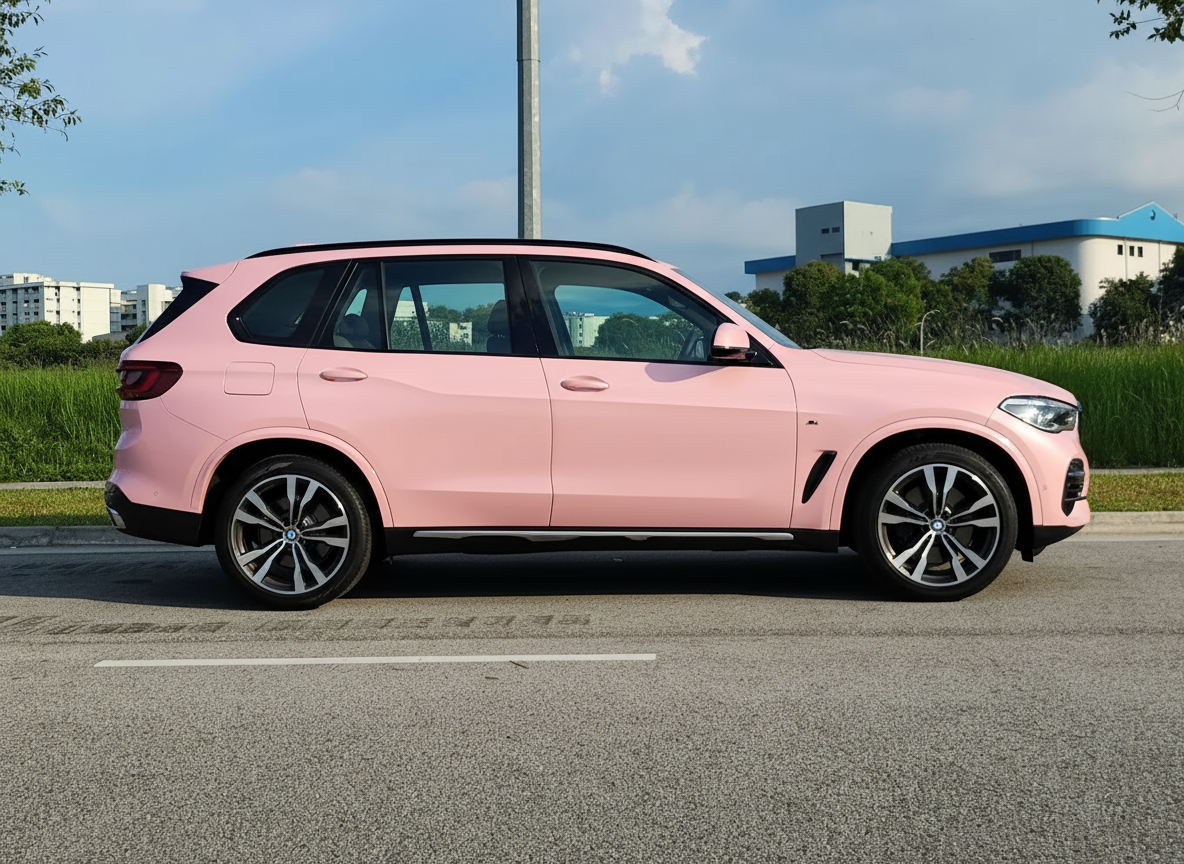
If you plan to keep your car for more than three years, paint protection film Singapore installers offer is one of the best investments you can make for the exterior. The cost is a fraction of a respray, and it preserves the factory finish that no aftermarket paint job can match. Even if you are leasing, a well-protected car will fetch a higher return at the end of the term.
The real test comes after a few years. Look at a car that has had film from day one and compare it to one that has not. The difference in micro-scratches, fading, and overall gloss is obvious. For me, the decision was easy. I wanted my car to look good for as long as I owned it, and I did not want to obsess over every new scratch. The film lets me enjoy the drive without worrying about the paint.
If you are considering it, do your homework. Check what brand of film the shop uses. Ask about the warranty. Look at examples of their work on cars that are a few years old. The right film, properly installed, will change how you think about car care. And in a place like Singapore, where the environment is tough on finishes, that peace of mind is worth a lot.